
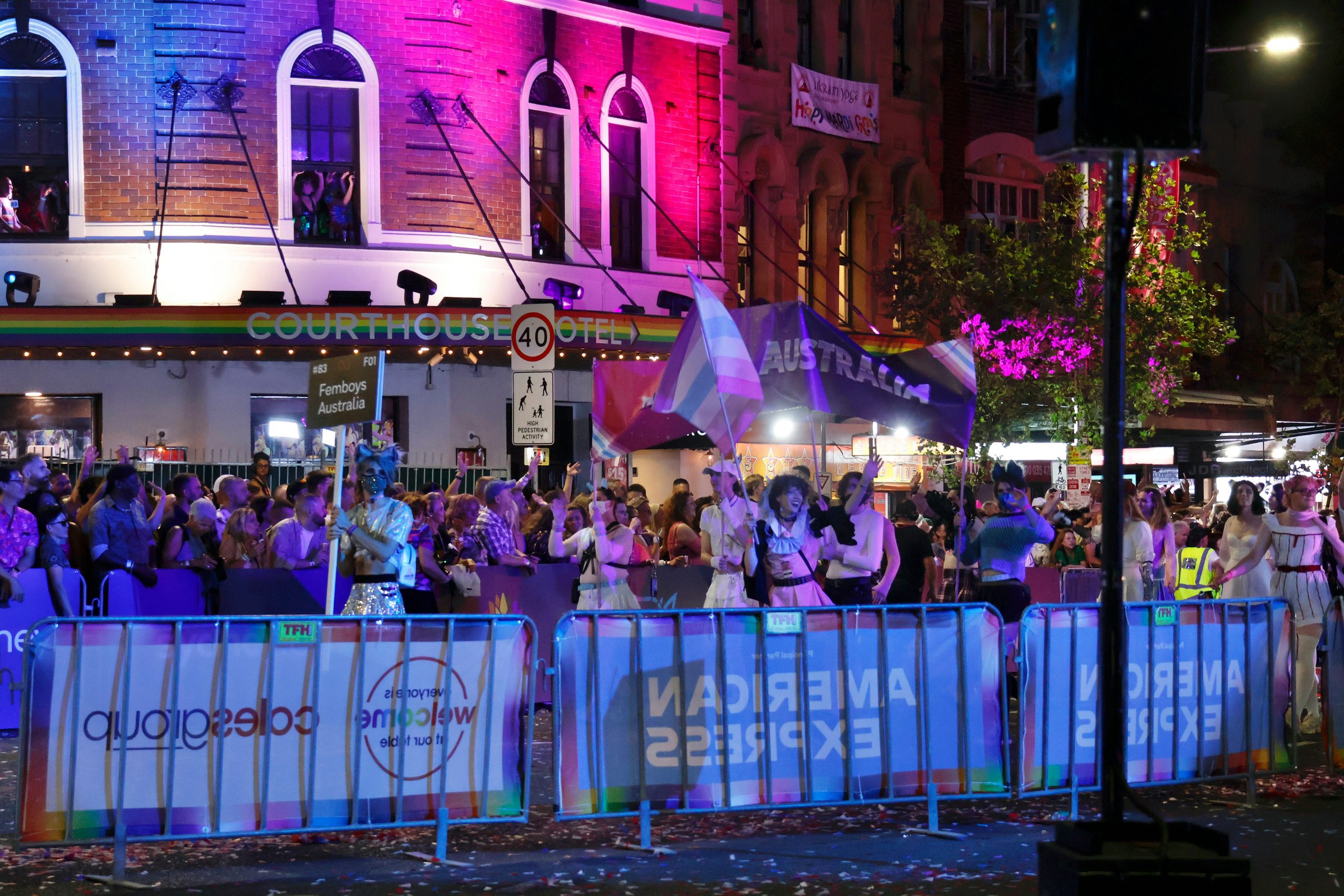
Everyone talks about Darlinghurst’s terraces. Fair enough, they’re scarce, they’re characterful, and they’re the properties that make headlines when they sell above reserve. But terraces are a small fraction of what’s actually on the ground here. Apartments are where most of Darlinghurst lives, and this spring they’re behaving quite differently to the house market next door.
Here’s what’s actually going on with them right now.
Houses are booming. Apartments are steadier, and that’s not a bad thing
Darlinghurst’s median house price has been growing at somewhere around 12–14% annually. The unit market has moved at a much gentler pace, closer to 3% over the same period. On paper that sounds like apartments are the weaker asset. In practice, it’s a different kind of market rather than a worse one: apartments here are trading on rental performance and lifestyle demand rather than scarcity-driven bidding, which makes them considerably more predictable to buy into and to sell out of.
Days on market tells the same story from another angle. Darlinghurst houses are moving in around three weeks. Apartments are taking closer to two months. That’s not apartments struggling, it’s a market where buyers take their time on a considered purchase rather than getting swept into an auction-day bidding war, which is exactly the buyer behaviour we’re seeing play out this spring.
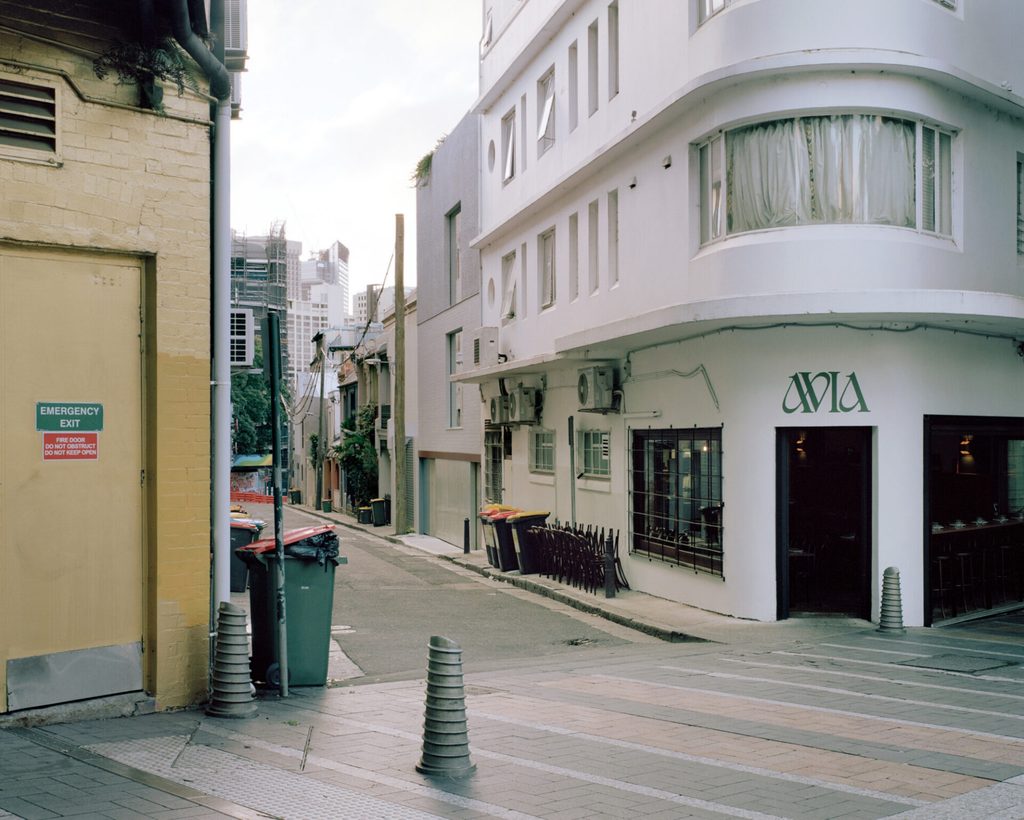
Who’s actually buying this spring
Two distinct buyers are active in Darlinghurst’s apartment market right now, and they’re looking for different things.
Owner-occupiers are the more visible group this spring, professionals wanting CBD proximity without CBD noise, downsizers who want lock-up-and-leave living, and a growing number of people who’ve decided the apartment lifestyle in this postcode suits them better than a house further out. They’re patient, they compare buildings carefully, and they’re not moved by generic “inner city apartment” marketing, they want to know about the specific building.
Investors are still active, but more selectively than in past cycles. Sydney-wide, apartments are currently yielding meaningfully better than houses, a genuine gap that’s kept investor interest in units alive even as house yields have compressed further. The investors buying in Darlinghurst this spring aren’t chasing growth so much as chasing yield with a defensible long-term hold, which tends to mean well-located, well-run buildings over anything speculative.
The streets and corridors outperforming
Not every Darlinghurst apartment building is equal, and the gap between a good result and a great one usually comes down to which stretch of street it’s on.
Victoria Street carries some of the suburb’s most recognisable apartment stock, a genuine mix of eras, strong walkability, and consistent buyer recognition that translates into faster campaigns.
Liverpool Street benefits from proximity to both Oxford Street’s café and retail strip and the quieter residential pocket behind it, buyers get the lifestyle without the noise exposure, which is a genuinely rare combination this close to the CBD.
The Oxford Street corridor itself is more polarising, buildings directly fronting Oxford Street can face more noise scrutiny from buyers, while those set one street back capture the lifestyle benefit without the trade-off, and tend to command a real premium for it.
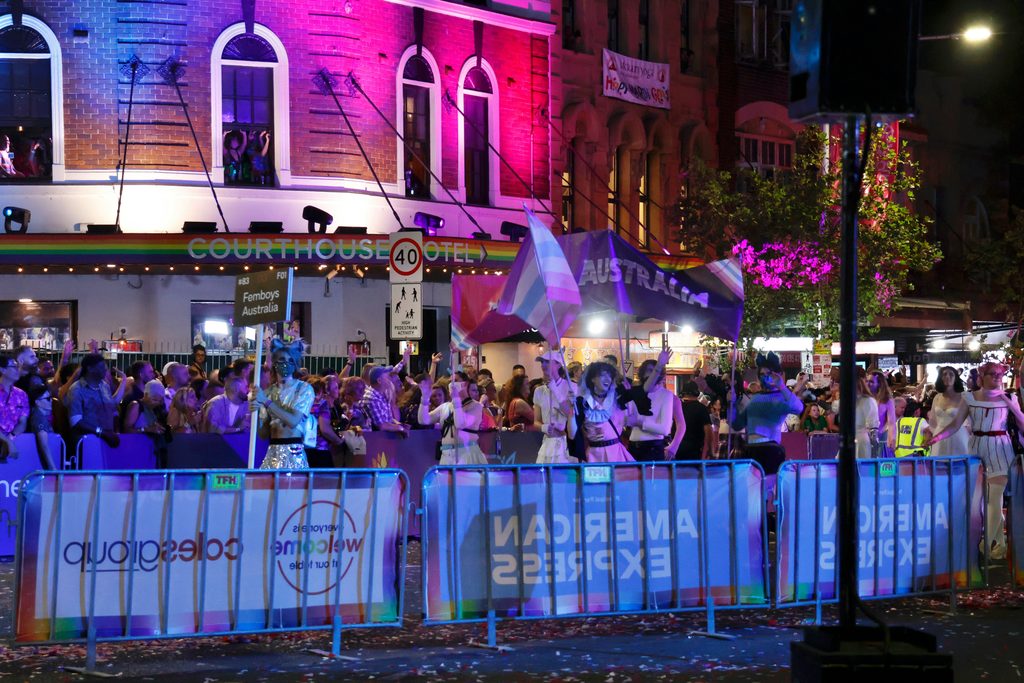
Art Deco, 1970s brick, or contemporary, it changes who’s bidding
Darlinghurst’s apartment stock spans three genuinely distinct eras, and each attracts a different buyer.
Art Deco buildings. High ceilings, decorative facades, genuine period character, draw buyers willing to pay for character over convenience. These buyers tend to be less price-sensitive on strata condition reports and more emotionally engaged with the building itself.
1960s–70s brick walk-ups and mid-rise blocks make up a large share of the suburb’s stock. These attract the most price-conscious buyer segment, people who want the location without paying the character premium, and who scrutinise strata financials closely because these buildings are old enough that a special levy is a real possibility rather than a remote one.
Contemporary and boutique developments. Smaller, newer buildings with better amenity and stronger strata governance, draw buyers prepared to pay the most per square metre for reduced maintenance risk and modern finishes. This is where we’re seeing the least price resistance this spring.
Strata levies: the line item buyers actually read now
This has changed noticeably over the past two years. Buyers used to skim the strata report. Now they read the levy history line by line, and a building with a track record of special levies gets priced accordingly, regardless of how good the apartment itself looks.
What buyers are specifically looking for:
- A healthy capital works fund relative to the building’s age
- No recent or flagged upcoming special levies
- Reasonable quarterly levies relative to comparable buildings nearby
- Evidence of proactive building management rather than reactive, expensive fixes
A well-run building with unremarkable levies now sells faster and for more than an architecturally nicer building with a levy history that raises questions.
The three variables that move price most in this stock
If you’re selling a Darlinghurst apartment this spring, these are the three factors we see move the result most:
Parking. A secure car space in this postcode is worth a genuine premium, Darlinghurst’s street parking is limited and permit-restricted, and buyers factor this in heavily.
Aspect. North or east-facing apartments with natural light through the day consistently outsell south-facing equivalents in the same building, sometimes by a meaningful margin.
Floor level. Height above street level matters for noise, security and views, but it’s not simply “higher is always better”, a well-positioned second or third floor with a private outlook can outperform a higher floor with an unremarkable view, particularly once the building’s lift reliability comes into the buyer’s calculation.
What this means if you’re thinking of selling
This spring’s apartment buyers are patient, well-informed, and reading the strata report properly. That’s not a market to be cautious about, it’s a market that rewards preparation. A building with clean strata records, honest disclosure on levies, and presentation that plays to its era rather than fighting it will move faster and for more than one where the vendor hopes buyers won’t look too closely.
If you’re weighing up whether now is the right time to bring your Darlinghurst apartment to market, that’s exactly the conversation worth having before a campaign starts, not after.
Contact us
—
Disclaimer
The data, figures, and market statistics referenced in this article were current at the time of publication and are sourced from third-party providers including CoreLogic/Cotality, Domain, realestate.com.au, HtAG Analytics, PropTrack, and NSW Fair Trading, among others. Property market data changes frequently, median prices, rental yields, vacancy rates, clearance rates, and days on market figures are updated regularly by their respective providers and may have changed since this article was published. Readers are encouraged to verify all figures directly with the cited sources before making any decisions.
This article is intended as general information only. It does not constitute financial, investment, legal, or taxation advice. The information provided does not take into account your individual circumstances, objectives, financial situation, or needs. Before making any property investment, purchase, sale, or management decision, you should seek independent advice from a qualified financial adviser, solicitor, or property professional licensed in your state.
Murray Property is a licensed real estate agency operating in NSW. We are not financial advisers. References to rental yields, capital growth, or investment returns are based on publicly available market data and historical performance, which is not a reliable indicator of future results.
© Murray Property. All rights reserved. Reproduction of this content without written permission is prohibited.