
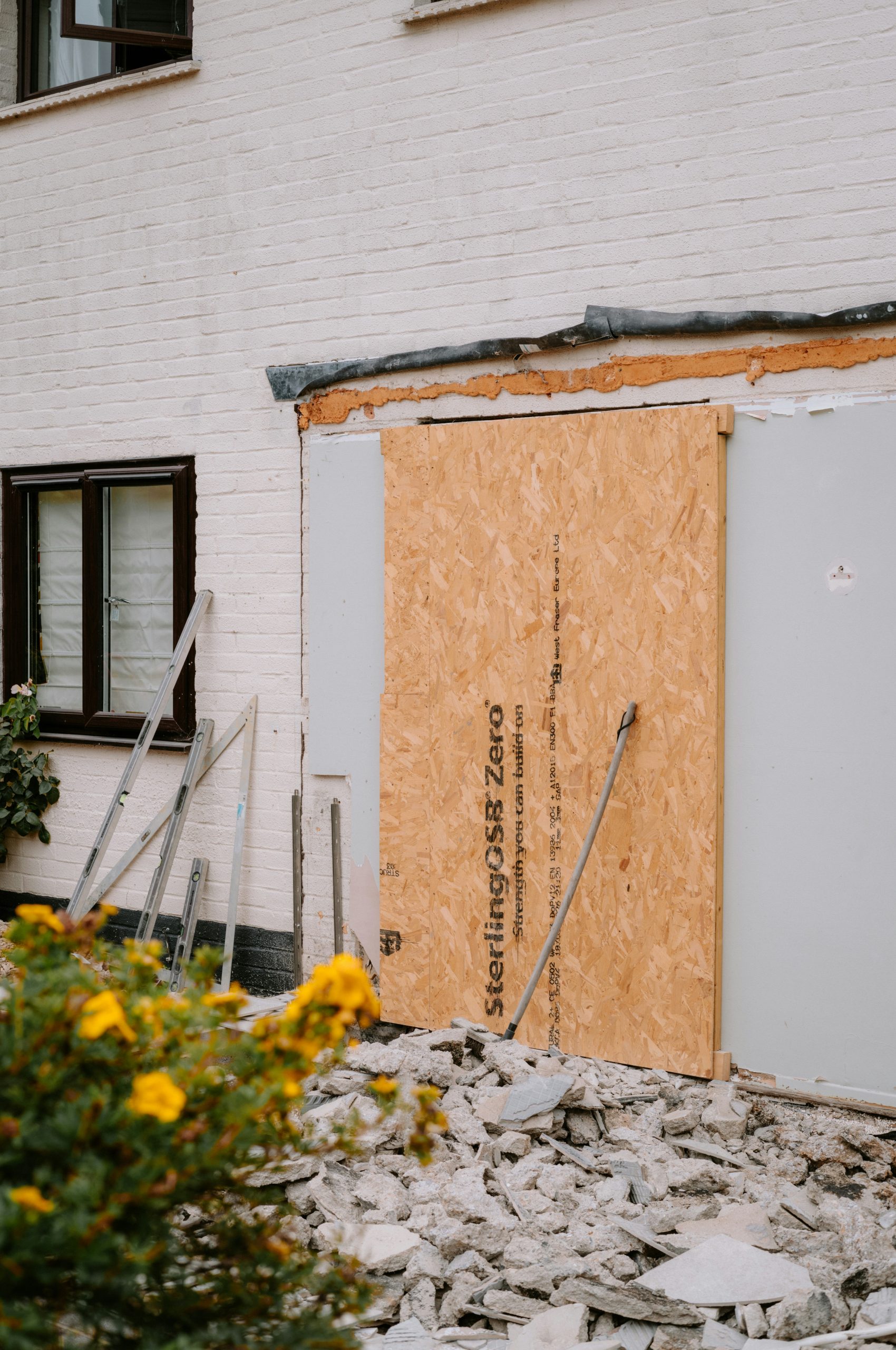
Michael Murray Managing Director, Murray Property · 22+ years in property management across Darlinghurst & Surry Hills

NSW minimum housing standards landlords need to meet apply to an older Darlinghurst terrace just as they do to a newer apartment. For owners in Darlinghurst and Surry Hills, the question is usually where to look first: ageing roofs, damp rooms, older services and repairs that involve a strata scheme can all make a straightforward obligation harder to manage.
These properties offer enormous character. Their age can also hide problems that only become obvious after heavy rain, during a cold spell or when a tenant starts using a room differently. This guide explains the seven legal minimum standards, the other safety duties that sit alongside them, and a sensible way to check an older rental before small issues become bigger ones.
What are the seven NSW minimum standards for rental properties?
Under section 52 of the Residential Tenancies Act 2010, a landlord must provide a property that is reasonably clean and fit to live in. NSW Fair Trading sets out seven minimum standards. A rental property must:
1- Be structurally sound. Pay attention to the condition of the roof, floors, walls, stairs, balconies and other parts of the building. A serious leak or visibly unsafe structure calls for prompt assessment.
2- Have adequate lighting. Each room needs adequate natural or artificial light, apart from storage rooms and garages.
3- Have adequate ventilation. Windows and ventilation systems should be assessed in the context of how each room is used, particularly bathrooms, kitchens and enclosed laundries.
4- Have electricity or gas and enough outlets. The supply and number of sockets must be adequate for lighting, heating and appliances. This requirement does not, by itself, mean every home must have a particular heater or air conditioner.
5- Have adequate plumbing and drainage. Leaks, persistent blockages and poor drainage deserve investigation, especially where they may cause damp or water damage.
6- Have hot and cold water. The property needs a water connection capable of supplying hot and cold water for drinking, washing and cleaning.
7- Have private bathroom facilities. Toilet and washing facilities must allow people to use them in privacy.
These are a minimum. A property can still be unfit to live in for another reason even if it appears to satisfy all seven. The standards apply before a tenant moves in and throughout the tenancy. NSW Fair Trading’s minimum standards guide is the best starting point when checking a particular concern.
Does an older or heritage property get an exemption?
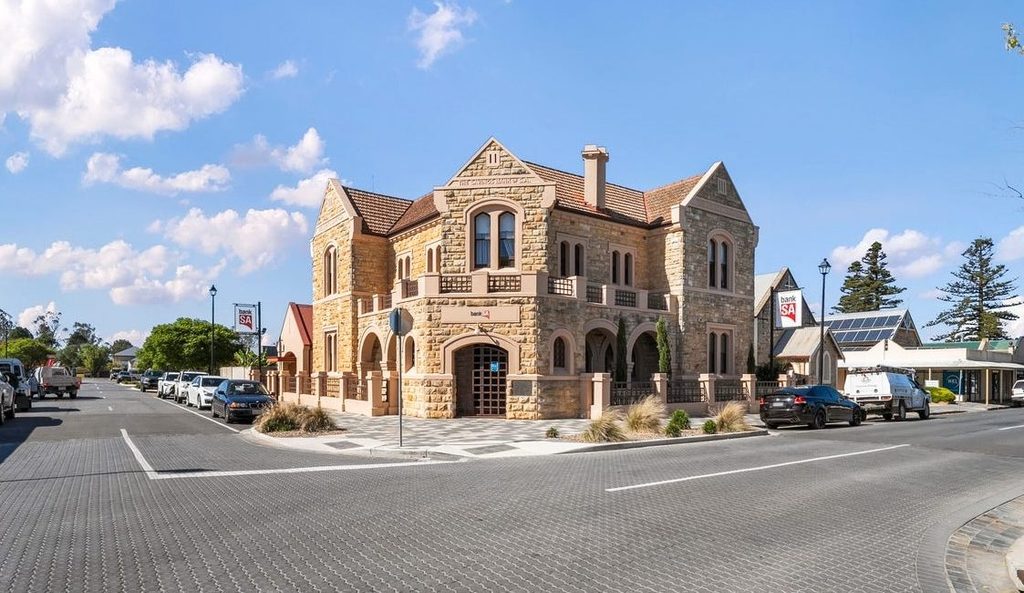
No general exemption from these minimum standards arises simply because a building is old or has heritage features. A Victorian terrace may need a more considered repair method or relevant approvals, but the tenant still needs a property that meets the applicable standards.
There is a separate obligation to provide and maintain the property in a reasonable state of repair. When considering what is reasonable for repairs, NSW law takes account of the property’s age, the rent payable and its prospective life. That does not mean an old roof can be left leaking or a room can be left without adequate ventilation. It means the right repair may differ from the one chosen for a newly built property. NSW Fair Trading explains the repair obligation here.
Where should Darlinghurst and Surry Hills owners look first?
The following are useful inspection priorities for older inner-city properties. They are examples of possible problems, not assumptions about every terrace or apartment.
Damp, mould and ventilation
Check bathrooms after showers, kitchens during cooking, laundries, wardrobes against external walls and any room with recurring condensation. Look for peeling paint, staining, musty smells and mould that returns after cleaning. A working exhaust fan or openable window may help, but the underlying cause matters: moisture can also enter through a roof, defective window, wall or plumbing fault.
If mould is reported, record where it appears, when it started and whether there is a leak or ventilation issue. Arrange a suitable inspection and address the source as well as the visible mould. Responsibility depends on how the problem developed; NSW Fair Trading’s mould guidance specifically discusses defective windows, inadequate ventilation and tenant use of ventilation.
Roofs, balconies, stairs and water entry
Older terraces can have several generations of repairs and alterations. Look for water marks after rain, loose stair treads, damaged railings, deteriorating balcony surfaces and doors or windows that no longer close securely. A serious roof leak or a fault that makes the property unsafe can fall within the urgent repair rules; a less dramatic defect may still need repair within a reasonable time.
For apartments, find out whether the affected element belongs to the lot or is common property before arranging major work. Keep the tenant informed while responsibility and access are sorted out.
Electrical supply, outlets and services
An older property may have been adapted many times. Check for damaged or sparking outlets, exposed wiring, unreliable power and rooms where the available outlets appear inadequate for ordinary use. The legal standard concerns adequate supply and sockets; have a licensed electrician assess any suspected safety issue rather than infer safety from the fact that the power still works.
Also check that hot water works, taps and toilets function, and drainage does not back up or waste substantial amounts of water. A dangerous electrical fault, failure of an essential service or broken toilet can be an urgent repair.
Strata issues that affect the apartment
A leak through a roof or external wall, a faulty window, a balcony defect or a pipe in a boundary wall may involve common property. The owners corporation is generally responsible for repairing common property, but the landlord still needs to respond to the tenant and actively follow up the issue. Check the strata plan and by-laws if responsibility is unclear; send the strata manager photographs and a written description, and keep a record of requests, decisions and repair dates. NSW Government’s strata repair guide explains common examples and the steps available when work stalls.
Smoke alarms and window safety: related duties to check separately
These are additional safety requirements, not two more items in the seven minimum standards.
Smoke alarms. Landlords must ensure the required alarms are installed and working, check them annually and follow the rules for batteries and replacement. When an alarm is reported as not working, the general landlord repair or replacement timeframe is two business days. There are specific provisions for some strata schemes, so do not assume the owners corporation handles everything. See NSW Fair Trading’s smoke alarm guide for the full requirements.
Window safety devices. NSW’s existing device rules apply to relevant windows in residential strata buildings; the required devices must be able to limit the opening to less than 12.5 cm and meet other safety specifications. Do not treat a general statement about windows more than two metres above ground as a complete test for every type of rental home. Check the building and window against the current NSW window, deck and balcony safety guidance, and arrange assessment of any unsafe window, deck or balcony.
What happens when a tenant reports a repair?
Start with the risk to the occupant and the property, then document the response.
Urgent repairs include gas leaks, dangerous electrical faults, a burst water service, a blocked or broken toilet, a serious roof leak, serious flood, storm or fire damage, an essential service failure, and faults that make a property unsafe or insecure. Arrange an appropriate tradesperson promptly and give the tenant a clear update. NSW Fair Trading lists urgent repair categories. Under the applicable conditions, a tenant may arrange an urgent repair and seek reimbursement of reasonable costs up to $1,000 if the landlord or agent cannot be reached or does not act in a reasonable time; smoke alarm repairs have particular rules.
Non-urgent repairs still need attention within a reasonable time. Acknowledge the report, arrange an inspection if needed, agree on access and a timetable, and keep the tenant updated if parts, approvals or strata decisions cause delays. A problem does not become optional because it falls outside the statutory urgent repair list. NSW Government’s repairs guide explains both processes.
If there is a dispute, NSW Fair Trading can assist and, in appropriate cases, the matter may go to NCAT. Photos, dated reports, correspondence and invoices help show what was reported and what action followed.
A practical landlord checklist
Use this when preparing a property for a new tenancy and revisit it when conditions change or a concern is reported:
- Walk through every room and check light, ventilation, power access, hot and cold water, drainage and bathroom privacy.
- Inspect roofs, windows, stairs, balconies and railings for visible damage or water entry; arrange expert assessment where needed.
- Investigate damp, mould or recurring condensation and record the cause and repair plan.
- Check smoke alarm placement, operation, last annual test and any battery or replacement dates.
- Check relevant strata window safety devices and escalate faults to the responsible party.
- Document electrical, plumbing and hot water concerns and use appropriately qualified tradespeople.
- Identify common property issues, notify strata in writing and track the work until it is resolved.
- Prepare a detailed condition report before a new tenant moves in, with dated photographs and accurate notes about mould, damage and safety items.
- Give tenants a clear way to report both routine and urgent maintenance.A condition report records the state of a property; it does not replace the obligation to make it fit to live in or to keep it in reasonable repair.
A condition report records the state of a property; it does not replace the obligation to make it fit to live in or to keep it in reasonable repair.
A local view
The most useful approach for an older Darlinghurst or Surry Hills rental is to identify a problem early, establish its cause and keep the repair moving. That may mean a straightforward tradesperson booking. For a heritage feature or common property defect, it may mean coordinating a specialist or an owners corporation as well. The tenant should know what is happening either way.
If you own an older property in the area and would like a clearer picture of its rental condition and management needs, we can talk it through.
Book a free rental appraisal →
Contact us
Further reading
- Property managers in Surry Hills
- Property managers in Darlinghurst
- Top 5 things landlords in Surry Hills and Darlinghurst should do before winter
- Maintenance request
—
Disclaimer
The data, figures, and market statistics referenced in this article were current at the time of publication and are sourced from third-party providers including CoreLogic/Cotality, Domain, realestate.com.au, HtAG Analytics, PropTrack, and NSW Fair Trading, among others. Property market data changes frequently, median prices, rental yields, vacancy rates, clearance rates, and days on market figures are updated regularly by their respective providers and may have changed since this article was published. Readers are encouraged to verify all figures directly with the cited sources before making any decisions.
This article is intended as general information only. It does not constitute financial, investment, legal, or taxation advice. The information provided does not take into account your individual circumstances, objectives, financial situation, or needs. Before making any property investment, purchase, sale, or management decision, you should seek independent advice from a qualified financial adviser, solicitor, or property professional licensed in your state.
Murray Property is a licensed real estate agency operating in NSW. We are not financial advisers. References to rental yields, capital growth, or investment returns are based on publicly available market data and historical performance, which is not a reliable indicator of future results.
© Murray Property. All rights reserved. Reproduction of this content without written permission is prohibited.