
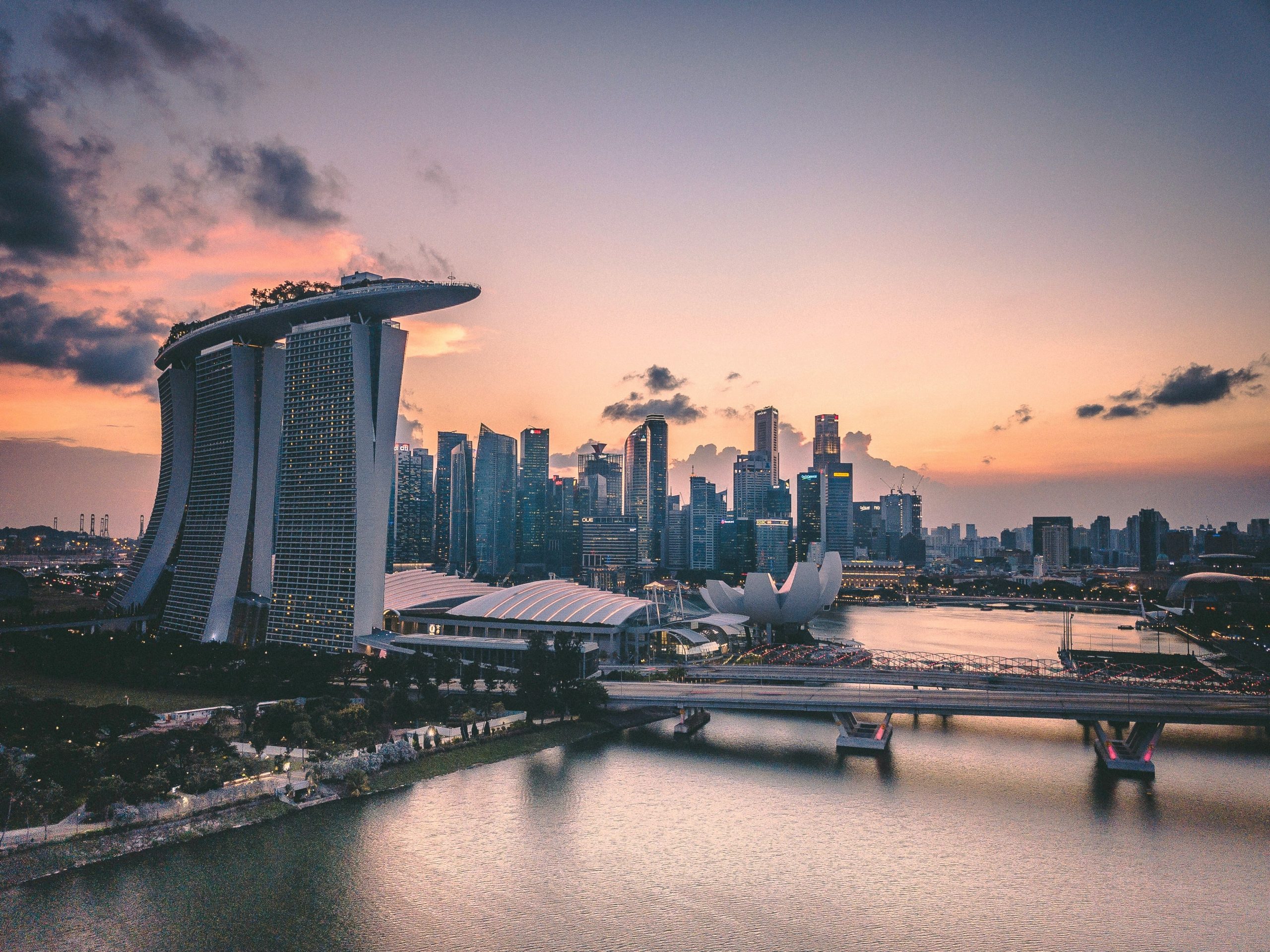
Of all the overseas owners Murray Property manages properties for, the ones based in Singapore and Hong Kong tend to have the least friction. Not because their properties are simpler, they’re the same terraces and apartments as everyone else’s, but because owning a Sydney investment from Singapore is barely “remote” ownership at all. Singapore Hong Kong investors Sydney inner city property
Here’s why these two markets specifically keep showing up in Darlinghurst and Surry Hills, and what’s different about buying from there right now.
The time zone does the heavy lifting
Singapore sits two to three hours behind Sydney depending on the time of year. Hong Kong is the same. That’s the entire difference between owning a property that runs smoothly from abroad and one that doesn’t.
An owner in Singapore can take a call at 4pm their time and it’s still only 6pm in Sydney, well within a normal business day on both ends. A maintenance approval, a lease renewal conversation, a quick call with a property manager about a strata notice, none of it requires anyone to be awake at 2am. Compare that to an owner in New York, where the two cities share almost no working hours at all, and you can see why Singapore and Hong Kong-based investors treat Sydney ownership so differently to owners further afield. It behaves, for most practical purposes, like owning something in a neighbouring time zone rather than on the other side of the world.

9:00 AM in Singapore is 11:00 AM in Sydney
(Standard Time)
The building stock is familiar
Someone who has lived in a high-rise in Singapore or a tower in Kowloon doesn’t need Darlinghurst’s or Surry Hills’s apartment stock explained to them. Strata living, shared building management, body corporate levies, close quarters with neighbours, all of it is second nature in a way it sometimes isn’t for a buyer used to detached suburban housing.
That familiarity tends to show up in what people from these markets actually buy. Terraces do come up, but the more consistent pattern is executive apartments, Darlinghurst’s Victoria Street and Liverpool Street corridor, Surry Hills buildings around Crown Street. A well-run strata building is a known quantity: someone else manages the roof, the lifts, the common gardens. A heritage terrace, by contrast, puts the whole building envelope on the owner directly, the roof, the party walls, the drainage, which is a much bigger thing to manage from another country, however good your property manager is.
The community is already there
Both cities have deep, long-standing Australian expat and diaspora links, and Sydney is usually the first Australian city that comes up in that context.
It’s not unusual for us to be managing a property for someone who studied in Sydney, has family here, or simply visits often enough that the city feels genuinely familiar rather than like a spreadsheet entry.
That familiarity tends to translate into confidence about buying somewhere specific, the 2010 postcode particularly, given its walkability, its restaurant and bar scene, and its proximity to the CBD without CBD noise.
What’s different about buying right now
The second half of 2026 has handed Sydney buyers something they haven’t had in a while: actual room to negotiate. Sydney’s median has eased back from its start-of-year peak, auction clearance rates have dipped into the high-40s and low-50s some weeks, and listing volumes are up on last year. None of that describes a market in trouble, it describes a market where a well-prepared buyer isn’t competing quite as hard as they were twelve months ago.
Darlinghurst and Surry Hills sit slightly apart from that broader trend, for the same structural reason they always have: stock is genuinely scarce in both suburbs, and that scarcity doesn’t disappear just because the wider Sydney market has softened. What it does mean is that a buyer who’s ready to move, with finance and due diligence sorted before they view, is dealing with a market that’s a little less frantic than it was, without the underlying demand for well-located inner-city stock having gone anywhere.
For current figures specific to each suburb, see our Surry Hills property market update and Darlinghurst property market page.
What a Singapore-based owner’s week actually looks like

In practice, once a property is set up properly, it doesn’t take much ongoing attention:
- A monthly statement lands, reviewed in a few minutes
- Routine inspection reports arrive with photo, read whenever suits
- A maintenance issue under the agreed spend threshold gets fixed without needing sign-off
- Anything genuinely urgent, a repair, a lease question, gets a call scheduled at a time that works in Singapore hours, not 11pm in Sydney
The properties that run into trouble are the ones set up as though the owner were still local, no standing maintenance authority, no clear escalation path, everything routed through email with no urgency attached. That’s a setup problem, not a distance problem, and it’s exactly as fixable for a Singapore-based owner as anywhere else.
We’ve written in more detail about what that setup looks like in Managing a Sydney Investment Property From Overseas.
Considering a Darlinghurst or Surry Hills property from Singapore or Hong Kong?
Whether you already own here or you’re weighing it up, a conversation with Michael costs nothing and doesn’t commit you to anything. He can walk you through what a specific building or street is actually worth right now, and what ownership looks like once it’s properly set up for a Singapore or Hong Kong-based owner.
Talk to us about managing your Sydney property →
Contact us
Further reading
- Property management for overseas landlords in Sydney
- Managing a Sydney investment property from overseas
- Property managers in Darlinghurst
- What rental yield can you expect from an inner-Sydney investment property?
—
Disclaimer
The data, figures, and market statistics referenced in this article were current at the time of publication and are sourced from third-party providers including CoreLogic/Cotality, Domain, realestate.com.au, HtAG Analytics, PropTrack, and NSW Fair Trading, among others. Property market data changes frequently, median prices, rental yields, vacancy rates, clearance rates, and days on market figures are updated regularly by their respective providers and may have changed since this article was published. Readers are encouraged to verify all figures directly with the cited sources before making any decisions.
This article is intended as general information only. It does not constitute financial, investment, legal, or taxation advice. The information provided does not take into account your individual circumstances, objectives, financial situation, or needs. Before making any property investment, purchase, sale, or management decision, you should seek independent advice from a qualified financial adviser, solicitor, or property professional licensed in your state.
Murray Property is a licensed real estate agency operating in NSW. We are not financial advisers. References to rental yields, capital growth, or investment returns are based on publicly available market data and historical performance, which is not a reliable indicator of future results.
© Murray Property. All rights reserved. Reproduction of this content without written permission is prohibited.